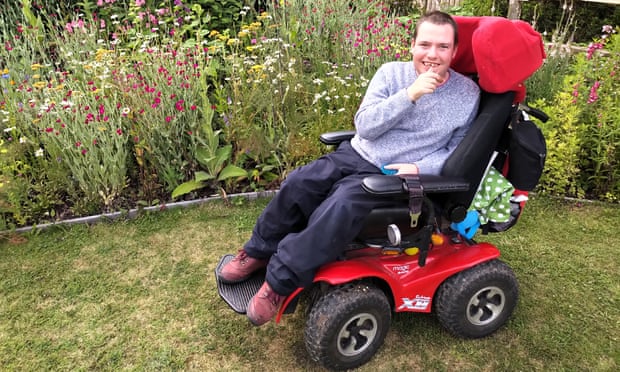
I was recently pointed to The Guardian’s ‘Other Lives’ obituary section by my friend Dave Hewett. He sent me a link to the obituary of Robbie Gordon … please read on.
Category Archives: Blogs
The ‘double empathy problem’

My Blog this week focuses on the ‘The Double Empathy Problem’ – a description of the ‘breakdown in reciprocity and mutual understanding that can happen between people with very differing ways of experiencing the world.’ The Blog is based on the work of Dr Damian Milton.
‘Intensive Interaction: an evaluation of two different recording formats’

‘Intensive Interaction: an evaluation of two different recording formats’ – a study looking at the introduction of two different Intensive Interaction paper recording systems in a UK special school. Read on for more…
The ‘Efficacy of Intensive Interaction’ … 25 years on from Melanie Nind’s ground-breaking Intensive Interaction research paper.

For my Blog this week I look back at Melanie Nind’s ground-breaking paper on the ‘Efficacy of Intensive Interaction’, published 25 years ago.
An analysis of the Intensive Interaction ‘Strengths’

As part of the current organisational changes taking place at the Intensive Interaction Institute, we have been asked to contribute to a SWOT analysis (SWOT = Strengths, Weaknesses, Opportunities and Threats). I thought it might be useful to share my contribution on our approach’s identifiable ‘Strengths’ …
Improvised music to support Intensive Interaction for children with complex needs: A feasibility study of brief adjunctive music therapy

I have recently been alerted to a new research paper by Music Therapist Dr John Strange. The paper reports on a quantitative research study that is worthy of further consideration.
‘Silent Minority’ TV documentary … the 40th anniversary
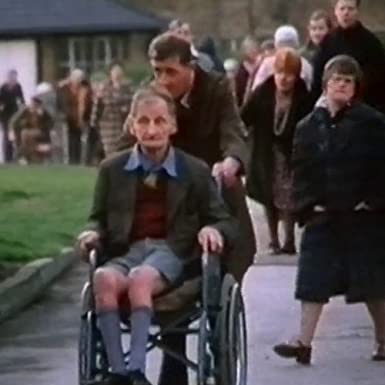
The TV documentary ‘Silent Minority’ was first shown on British TV 40 years ago this week – it perhaps did more than anything else to evidence the degrading and inhuman living conditions suffered by many people with learning disabilities in large scale institutional care at the time.
Read on for more…
Is what I am doing Intensive Interaction or not?

So, how do I know if I am doing Intensive Interaction with a person?
For my Blog this week I am reproducing a slightly abridged section of the FAQs document from the Intensive Interaction ‘Adult Services Documents’ and ‘Curriculum Documents for Schools’ packs.
30 Years of Intensive Interaction Research

This Blog revisits the first published Intensive Interaction research paper (that is now nearly 30 years old) – illustrating just how long-standing and well-established Intensive Interaction research now is.
Researching Intensive Interaction: which ‘outcomes’ are the most important, and for who?

In this week’s Blog, Graham Firth tries to unpick some of the complex issues around researching Intensive Interaction, most specifically what ‘outcomes’ (and whose ‘outcomes’) should be considered important, and the potential difficulties such considerations can bring.
 Connecting with Intensive Interaction