
Connecting with Intensive Interaction
with Graham Firth
Improving communication for people with social communication differences and/or difficulties
Welcome to the ‘Connecting with Intensive Interaction’ website.
On this website, you will find a lot of information about our social communication approach called Intensive Interaction. This website will help you to understand what Intensive Interaction is, who it is for, how best to use it and what benefits it can bring.
You can also read Graham Firth’s ‘Connecting with Intensive Interaction‘ blog series, and you can sign up at the bottom of this page to be notified of all new posts by email.
If you are a parent, a carer, a teacher, a health professional, or anyone else who is interested in Intensive Interaction, then I hope that you will find something useful here.
What is Intensive Interaction?
Intensive Interaction is an approach that can help people with social communication differences or difficulties (e.g., due to learning disabilities and/or autism) and those who care for or support them to connect and communicate better. Intensive Interaction is used by parents, carers, teachers and many others to better communicate with someone (a child or adult) who finds communicating difficult, most usually because of a learning disability or autism.
By simply focusing on what a person can do and joining in with their current communicative behaviours, Intensive Interaction can help build better communication and, thus, better social connections with those people who are special to us. It helps us to enjoy each other’s company even more!
More generally, Intensive Interaction is best understood as an all-embracing humanistic care philosophy that promotes unconditional social inclusion, truly person-centred social responsiveness, and equitable sharing of the power to define an appropriate form of sociable exchange.
What are the benefits of Intensive Interaction?
• Intensive Interaction can help to foster a better understanding of a person’s social communication means.
• Intensive Interaction can help a person with a communication or social difficulty or difference to further develop their fundamental communication.
• Intensive Interaction can help build better social connections between someone with a social or communication difficulty or difference, and those people who care for or support them.
For more information regarding Intensive Interaction, check out the ‘Frequently Asked Questions’ page here.
‘By spending time with someone using Intensive Interaction we are valuing them: respecting them and meeting their basic human need to make meaningful and satisfying relationships, which is central for a decent quality of life’
Clinical Psychologist, UK.
Read the latest from Graham Firth’s ‘Connecting with Intensive Interaction Blog’ here:
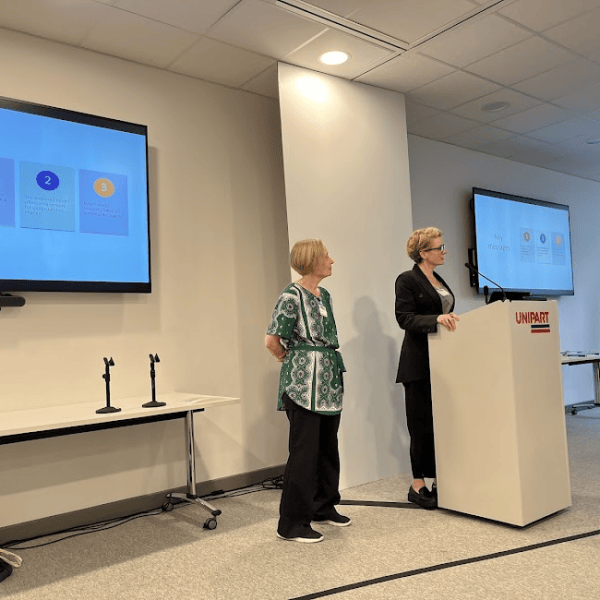
Intensive Interaction Conference 2026: Feedback Report
The Intensive Interaction Conference 2026: Feedback Report … read on for more.

Intensive Interaction Week 2026 is … this week!
‘Intensive Interaction Week 2026’ is this week – from Monday 12th to Sunday 18th October. Read on for more information.
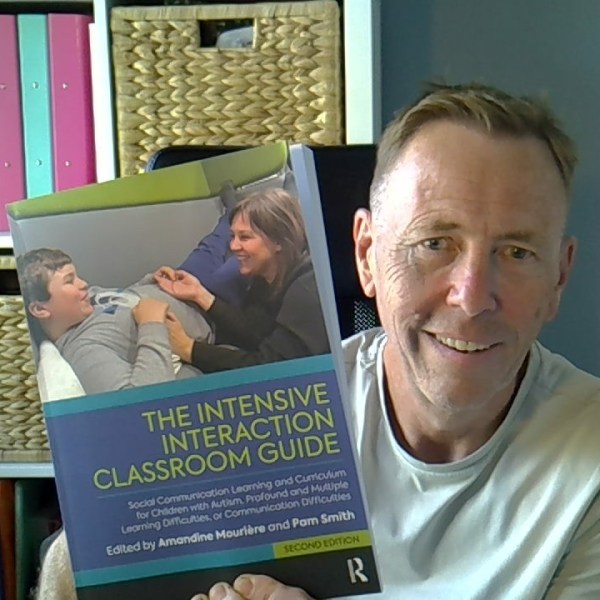
A ‘New Book’ on Intensive Interaction (well, sort of!).
‘The Intensive Interaction Classroom Guide: Social Communication Learning and Curriculum for Children with Autism, Profound and Multiple Learning Difficulties, or Communication Difficulties’, edited by Amandine Mouriere & Pam Smith, has been released as a second edition … read on for more.

‘Intensive Interaction in Context’ – 25 years later.
Intensive Interaction in Context – It’s been 25 years since Dr Judith Samuel published a paper on introducing Intensive Interaction into residential care for adults with profound intellectual disabilities in Oxfordshire. Read on for more …
Get new content delivered directly to your inbox.

