
Vogindroukas, I. (2026) ‘Using the Intensive Interaction approach in speech therapy practice’, in Proceedings of the international scientific conference ‘Integration of traditions and innovations: 70 years of speech therapy practice in Bulgaria: historical and contemporary perspectives‘. New Bulgarian University Publishers (pp. 220-230).
This international conference presentation reported on the use of Intensive Interaction as a speech therapy intervention with 4 autistic children from a day care centre in central Greece (2 girls & 2 boys aged 6 years). Over 26 days, two speech and language therapists trained in Intensive Interaction conducted daily 30-minute Intensive Interaction sessions with each child (boy P3 having only 11 sessions). One therapist served as the child’s social communication partner using Intensive Interaction, while the other therapist collected data using observational forms and video recordings.
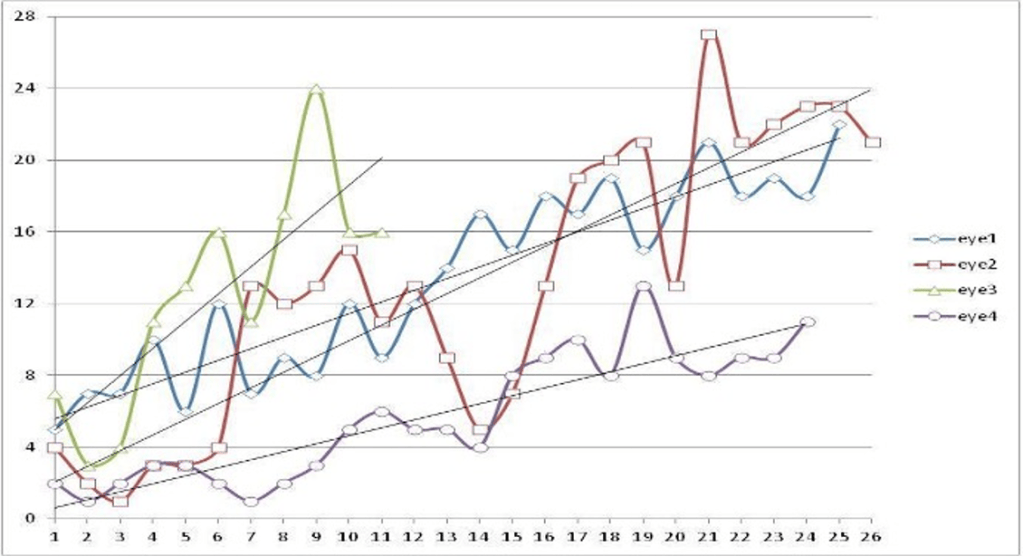
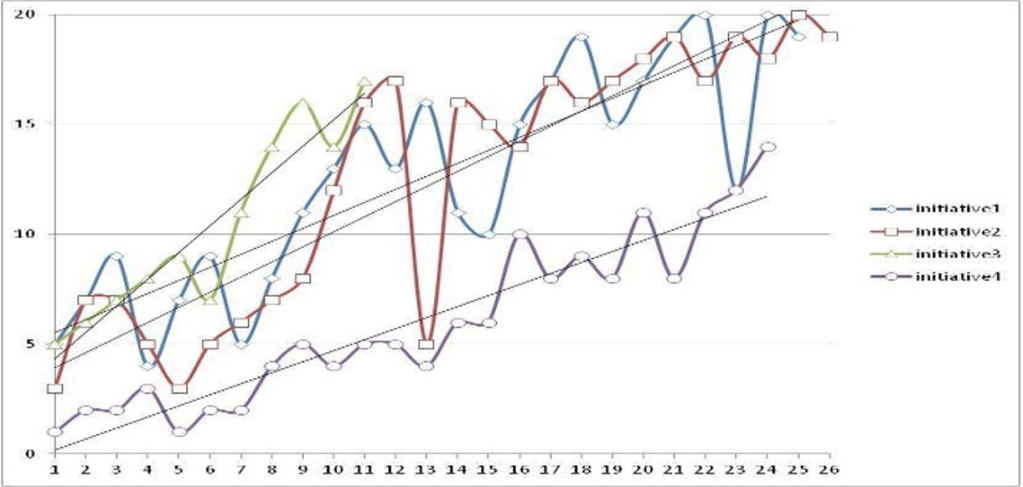
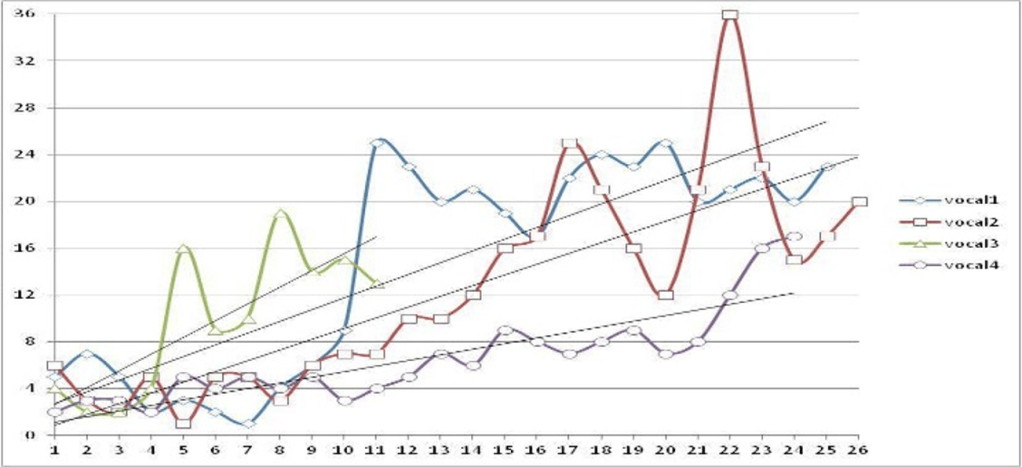
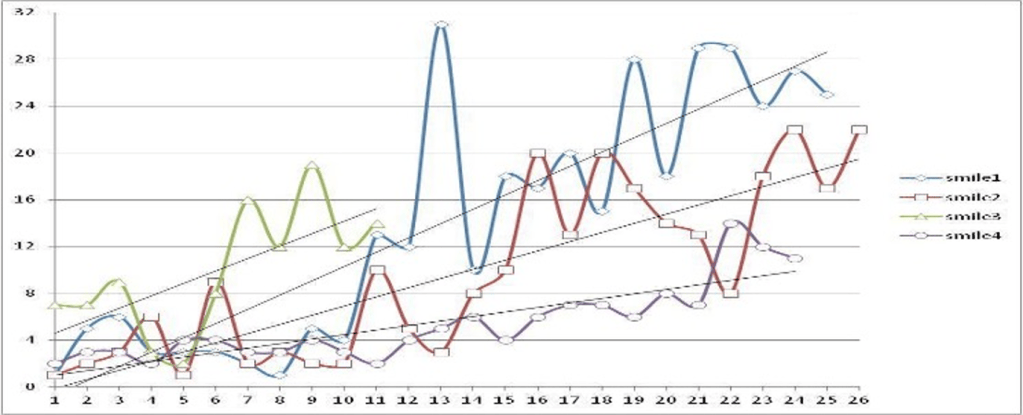
The Analysis: Statistical analysis of the observations was conducted focusing on five different variables, these being: 1) Exchanges of Eye Contact, 2) Initiation of Social Interaction, 3) Vocalisation, 4) Smiling, and 5) Social Withdrawal.
The Results (for brevity, only the collated graphs are being represented in this Blog)
1. Exchanges of Eye Contact
2. Initiation of Social Interaction
3. Vocalisation
4. Smiling
5. Social Withdrawal
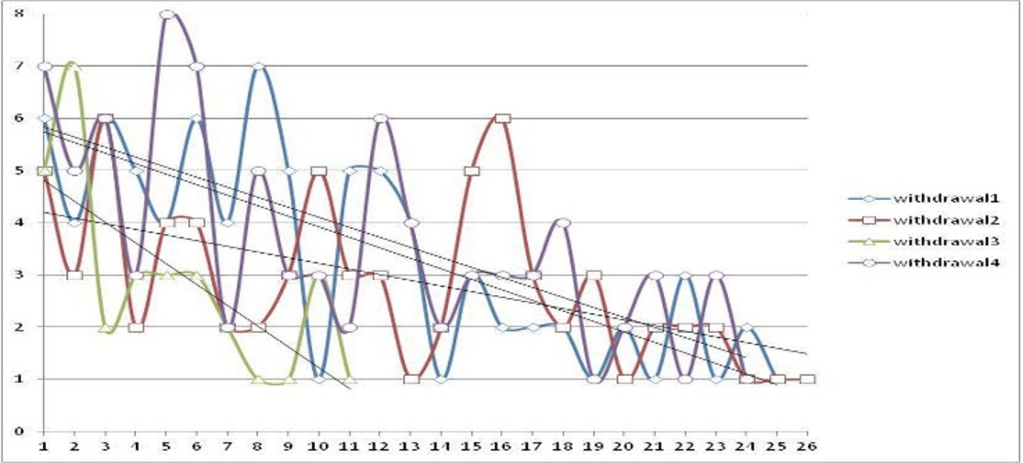
As can be seen from the mean variable lines plotted from the observations of each participant child across the 26 days of study (P3 =11), there were significant differences across all 5 variables in all 4 participant children, these being: significant increases in exchanges of eye contact, significant increases in the initiation of social interactivity, significant increases in vocalisations, significant increases in smiling, and lastly, significant decreases in social withdrawal.
Discussion (taken verbatim from the ‘Proceedings’ report):
The Intensive Interaction approach is now becoming more widely used in children with autistic spectrum disorder, and there is a growing body of research evidence about the positive outcomes of using Intensive Interaction (Watson & Knight, 1991; Nind, 1996; Lovell et al., 1998; Kellett, 2000; Cameron & Bell, 2001; Kellett, 2003; Kellett, 2004; Kellett, 2005; Leaning & Watson, 2006; Barber, 2008; Samuel et al., 2008; Zeedyk et al, 2009a; Zeedyk et al, 2009b; Argyropoulou, & Papoudi, 2012).
In this research, we are following four children with ASD in their Intensive Interaction sessions. Observation of their behavior in the period of this session gave us important information about the benefits of Intensive Interaction in people with ASD. Our results show increasing collaboration, social interaction, eye contact, and speech use. Although Participant 3 conducted fewer sessions, he had a more significant improvement than the other participants. High R2 values in most variables demonstrate the strength of the intervention.
More research in this manner is needed in order to strengthen the importance of the use of Intensive Interaction in people with social communication difficulties.
Reference: Vogindroukas, I. (2026) ‘Using the Intensive Interaction approach in speech therapy practice’, in Proceedings of the international scientific conference ‘Integration of traditions and innovations: 70 years of speech therapy practice in Bulgaria: historical and contemporary perspectives‘. New Bulgarian University Publishers (pp. 220-230).

