
Below is a collection of various blogs by Graham Firth, covering a variety of topic areas and issues associated with the theory and practice of Intensive Interaction.
20 years later… and are we really any further on?
It is 20 years since my paper ‘Intensive Interaction: a Research Review’ was published …. and I don’t think the conclusions that I drew then have really shifted that much … read on for more.
Keep reading
The importance of social interaction in learning and development
Recently I came across a copy of the book ‘Apprenticeship in Thinking: Cognitive Development in Social Context’ by educational theorist Dr Barbara Rogoff; a book that I think is really significant theoretically from an Intensive Interaction perspective. Read on for more …
Keep reading
‘Integrating Intensive Interaction Principles into Psychological Practice’
Announcing the new book published today: ‘Integrating Intensive Interaction Principles into Psychological Practice’ Edited by Dr Sophie Doswell & Dr Maggie Ellis (2025), Routledge. Read on for more details …
Keep reading
Intensive Interaction as a psychological therapy
With the upcoming publication of ‘Integrating Intensive Interaction into Psychological Practice’ in this Blog I have abridged a 2009 article on the issue from ‘The Psychologist’; I thought it would whet our appetites for the upcoming book’s launch (next week!). Read on for more …
Keep reading
Books on Intensive Interaction in 2025
With the imminent arrival of a new book on Intensive Interaction (‘Integrating Intensive Interaction Principles into Psychological Practice’, by Dr Sophie Doswell & Dr Maggie Ellis) for this Blog, I am setting out in chronological order the current range of books published so far (in English) on the approach. Read on for more …
Keep reading
An ‘Intensive Interaction Institute Open Research Forum’
The Intensive Interaction Institute is hosting the first-ever ‘Intensive Interaction Institute Open Research Forum’ on Tuesday, 21st October from 4:30pm – 5:30pm (UK time). Read on for more information
Keep reading
Intensive Interaction Pilot Project at Voyage Care: Blog 2 – ‘the Outcomes’
Kate Parker (Intensive Interaction Lead for Voyage Care) has written up an extensive and detailed report about an Intensive Interaction pilot project. I have summarised the reported outcomes of the project in this Blog 2. Read on for more …
Keep reading
Intensive Interaction Pilot Project at Voyage Care: Blog 1
Kate Parker (Intensive Interaction Lead for Voyage Care) has written up an extensive and detailed report about an Intensive Interaction pilot project. I have summarised some aspects of it in this Blog. Read on for more …
Keep reading
The ‘Intensive Interaction in Action’ DVD – 10 years on, and still brilliant
It is now 10 years since the launch of the ‘Intensive Interaction in Action’ DVD. It is still a brilliant learning resource, and it is still available… Read on for more…
Keep reading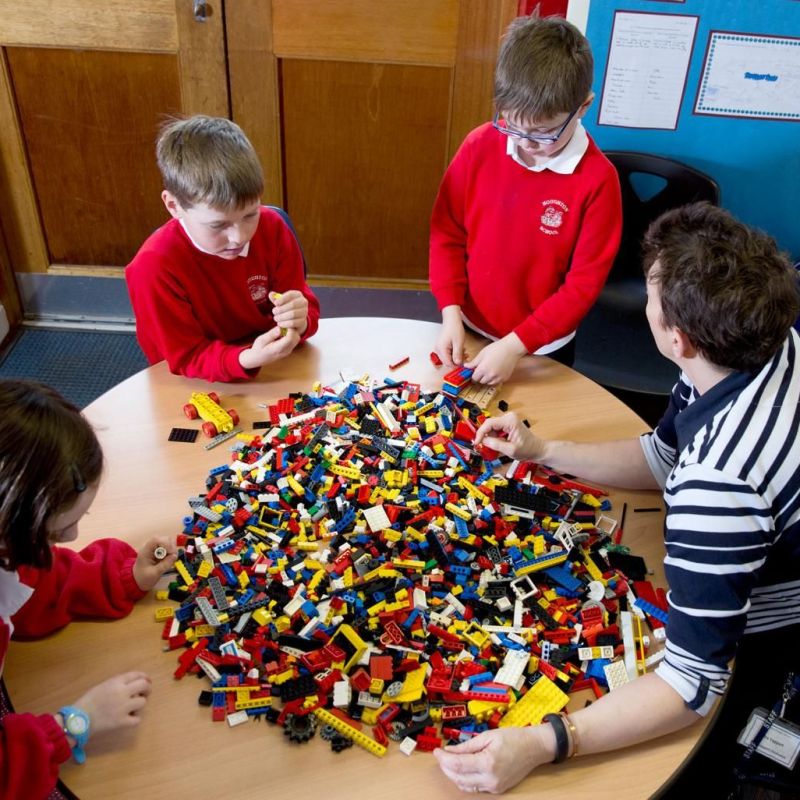
‘Intensive Interaction in the mainstream classroom’: 10 years on …
It is now ten years since the publication of the paper ‘Intensive Interaction in the mainstream classroom: evaluating staff attitudes towards an inclusive socio-communicative intervention’: read on for more…
Keep reading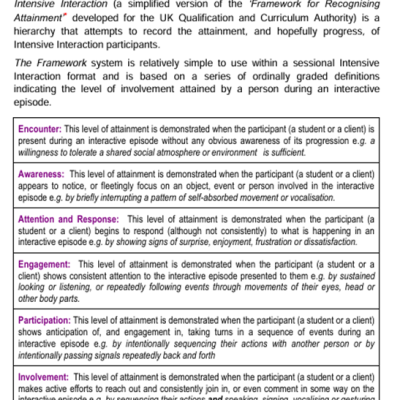
The 7 ‘stages’ or ‘levels’ of Intensive Interaction: who and/or what are we actually measuring, and whose needs are we trying to meet?
I have written this blog in response to a growing trend in advocating for systems that purport to assign discrete social developmental levels to an individual’s performance during periods of Intensive Interaction. Read on for more …
Keep reading
Getting Published with Intensive Interaction
This blog contains information on the submission criteria for the most significant academic and research journals that have published Intensive Interaction papers. Read on for more…
Keep reading
‘What is Intensive Interaction?’ – New video available from the Intensive Interaction Institute
What is Intensive Interaction? Good question! Well, there is now a free introductory video available from the Intensive Interaction Institute … follow the link for more.
Keep reading
‘Blind Frogs’: … and Intensive Interaction by Dave Hewett
‘Blind Frogs’: and the nature of human communication and Intensive Interaction. Read on for more …
Keep reading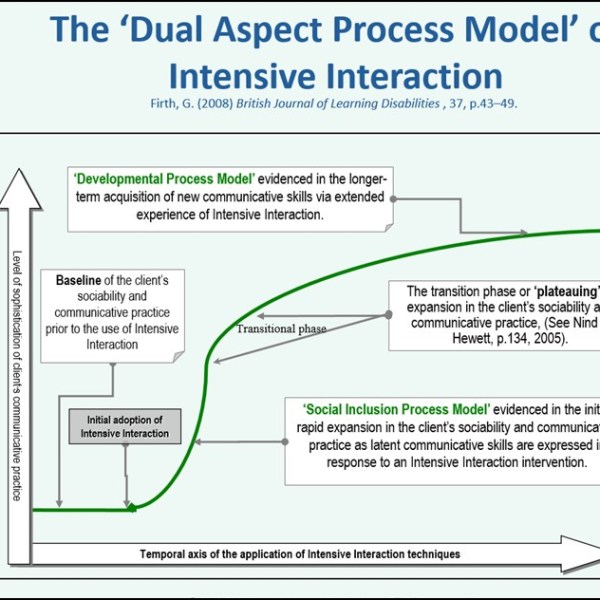
Intensive Interaction … and the potential for social communication regression or ‘Holiday effect’?
Intensive Interaction … and the potential for social communication regression or ‘Holiday effect’ from its discontinued use? Read on for more …
Keep reading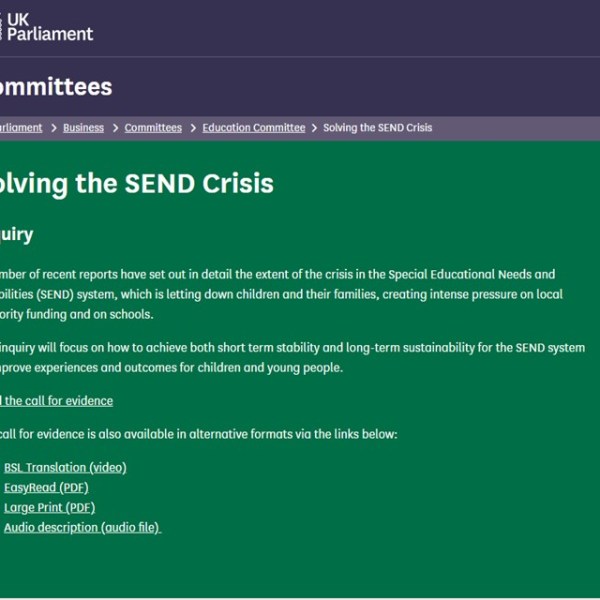
An Intensive Interaction response to the UK Education Select Committee … seeking evidence to improve ‘the SEND system’.
In This Blog I have simply copied my response sent to the UK Parliamentary Select Committee seeking evidence to improve ‘the SEND system’. Read on for more …
Keep reading‘Solving the SEND Crisis’: UK Education Select Committee ‘Call for Evidence’
I have been alerted to a ‘call for evidence’ by the UK Parliamentary Education Select Committee seeking evidence ‘on short term actions to stabilise the SEND system’. Read on for more …
Keep reading
Evidence of mutual non-verbal synchrony in learners with severe learning disability and autism, and their support workers: a motion energy analysis study (because of the use of Intensive Interaction!).
I have recently been pointed to a research study involving the use of Intensive Interaction. This fascinating study looked for ‘Evidence of mutual non-verbal synchrony in learners with a severe learning disability and autism, and their support workers: a motion energy analysis study’: Read on for more …
Keep reading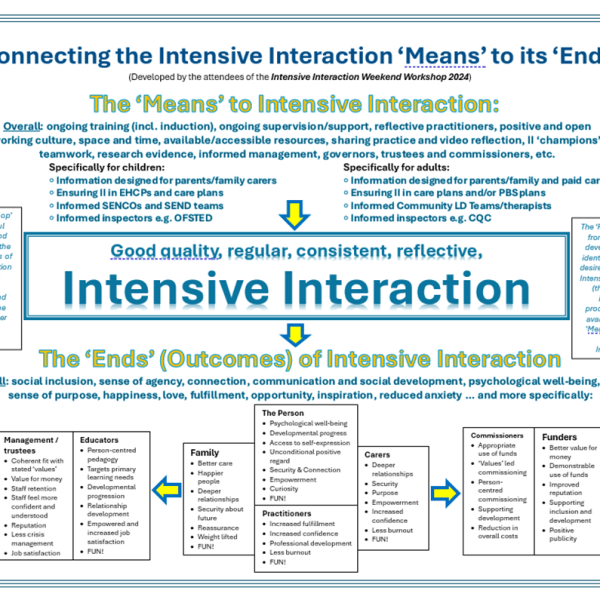
Connecting the Intensive Interaction ‘Means’ to its ‘Ends’
This Blog is the collective work of the attendees of the Intensive Interaction Weekend Workshop 2024 – where we looked at the ‘means’ to doing good quality, regular, consistent and reflective Intensive Interaction and also at the ‘ends’ of this process i.e. the outcomes of using Intensive Interaction. Read on for more …
Keep reading
The end to profiteering from the care of vulnerable children?
Plans aimed at preventing companies running children’s homes in England from making excessive profits have (apparently) been set out by the UK government … read on for more.
Keep readingSomething went wrong. Please refresh the page and/or try again.
Follow My Blog
Get new content delivered directly to your inbox.
 Connecting with Intensive Interaction